
World Summit for Social Development: Reclaiming People-Centred Development in an Age of Retrogression; Reflections on Doha
Cynthia Sunu and Patricia Blankson Akakpo, Network for Women’s Rights in Ghana (NETRIGHT)
During the World Summit for Social Development in Doha, discussions unfolded with a mix of hope, urgency, and unease. Hope, because the conversations were bold, practical, and solution-oriented. Urgency, because there is no time left for polite consensus-building when people’s lives are at stake. And unease, because even as governments reaffirm the need to place people at the center of development, the forces seeking to roll back these gains are gathering unprecedented strength.
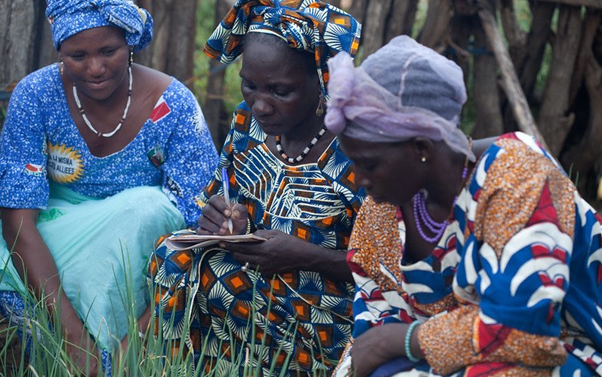
Even as governments reaffirm commitments to people-centred development, the forces seeking to roll back these gains are gathering unprecedented strength. (Image Credit: ifpri.org)
What stood out most over the course of the Summit was the clarity with which leaders, practitioners, and activists articulated a shared truth: we are not short of ideas, resources, or evidence. What we lack is the political courage to deploy them justly.
Across Africa, the story is strikingly similar. Countries have the potential to generate enough wealth to ensure dignified lives for their people. And yet, the pathways through which resources flow--such as taxation, public expenditure, debt servicing, procurement, natural resource management--continue to reproduce inequality rather than dismantle it. This becomes more evident when we look closely at the issues raised across the solution sessions. For instance, discussions on domestic revenue mobilization highlighted how governments consistently forgo billions in tax exemptions and illicit financial flows while leaning heavily on regressive consumption taxes that disproportionately burden women, young people, and informal workers. At the same time, multinational corporations navigate our tax regimes with more ease than local SMEs, extracting profits without commensurate contributions to national development. For example, Ghana’s Auditor-General reports and tax expenditure statements show an annual hemorrhage of resources that could fully fund social protection, quality healthcare, or affordable credit for women-owned businesses.
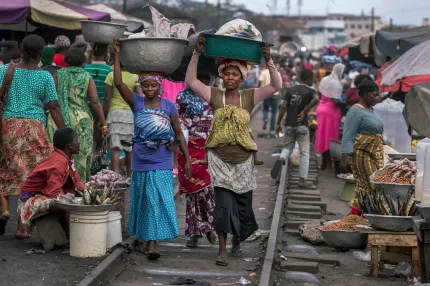
Across Africa, countries have the potential to generate enough wealth to ensure dignified lives yet the pathways through which resources flow continue to reproduce inequality rather than dismantle it. (Image credit: Jonathan Torgovnik/Getty Images Reportage)
Linked to this is the troubling pattern of public spending that prioritises debt repayment at levels that leave social investments underfunded. In several sessions, participants spoke of the “fiscal illusion” created when governments claim there is no money for gender-responsive budgeting, care policies, or MSME support, while channelling vast portions of national revenue into opaque contractual obligations.
Across plenaries, side sessions, and the exhibition halls, priority was placed on putting people at the center of development. It is a refrain we have heard for decades, but in Doha it landed differently. Perhaps it was the political moment—rising inequality, fraying social contracts, and the resurgence of anti-rights movements. Perhaps it was the palpable fatigue with rhetoric. But this time, the call felt grounded in a body of concrete practice and evidence presented by practitioners and social movements who showcased what people-centered development looks like in real terms.
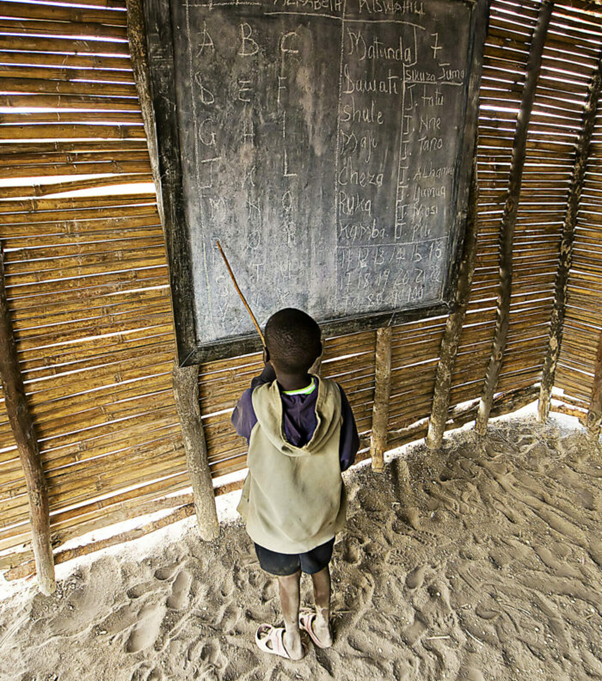
Claims that there is ‘no money’ for care policies or gender-responsive budgeting coexist with vast public resources channelled into debt repayment. (Image credit: 4earth.global)
But what really brought this theme alive were the solution sessions. These spaces were different from the usual development convening where panels spend half their time describing challenges we already know. At the WSSD, the emphasis was on models that work, and on country-driven pathways that demonstrate what “people-centred” actually looks like in practice. There were moments that resonated deeply during the summit. Like the session on Policy Pathways to Inclusion: Advancing Human Rights through Social Protection and Decent Work where countries such as Malawi, Guatemala, and Uzbekistan shared how they are linking decent work strategies with universal social protection systems—not as separate policy tracks, but as integrated levers of transformation. These were programmes that were already showing results: increased employability, reduced vulnerabilities for women and youth, and new avenues for fiscal sustainability.
As energizing as these discussions were, they unfolded against a sobering backdrop. The rise of anti-rights movements which is well-funded, strategic, and increasingly mainstream. Many participants expressed fear that gains made over decades, especially for women, persons with disabilities, and marginalized communities, are at risk of being eroded. This is already happening. Funding for gender equality is being cut in many countries, regressive narratives are gaining political traction, and social justice work is becoming more dangerous.
The Doha Declaration must be seen as a political commitment that can and must be used as a tool for accountability. It demands more ambitious social protection systems, expanded decent work, rights-based approaches, and equitable global financial structures. But it also demands that governments act.
Leaving Doha, there was a sense of clarity. We know what works - countries are showing us. We know what is needed - resources, political will, and institutional change. And we know what threatens progress - retrogression, polarization, and anti-rights ideologies that seek to shrink the definition of who counts.
The real work now is ensuring that the commitments made in Doha do not remain symbolic. That governments move from declarations to budgeting. From promises to policy. From solutions shared to tangible improvements in the lives of people and communities .
- Log in to post comments